 By Elena Mercer

Choose your first job
Start with a wash, a basic interior clean, or both. Write down what you will include. Add protection only when you can prepare and apply the product as directed.
Check your water supply, power, wash location, and storage before you shop. A vacuum needs a suitable power source. A wash needs a plan for dirty water. Mobile work also needs room to carry and secure the kit.
Clean the inside
Vacuum, brushes, cleaner, glass cleaner, and separate towels.
Learn the interior stepsAdd protection later
Spray sealant and clean towels. First learn to wash and dry well.
Learn about protectionWhat you need for a wash
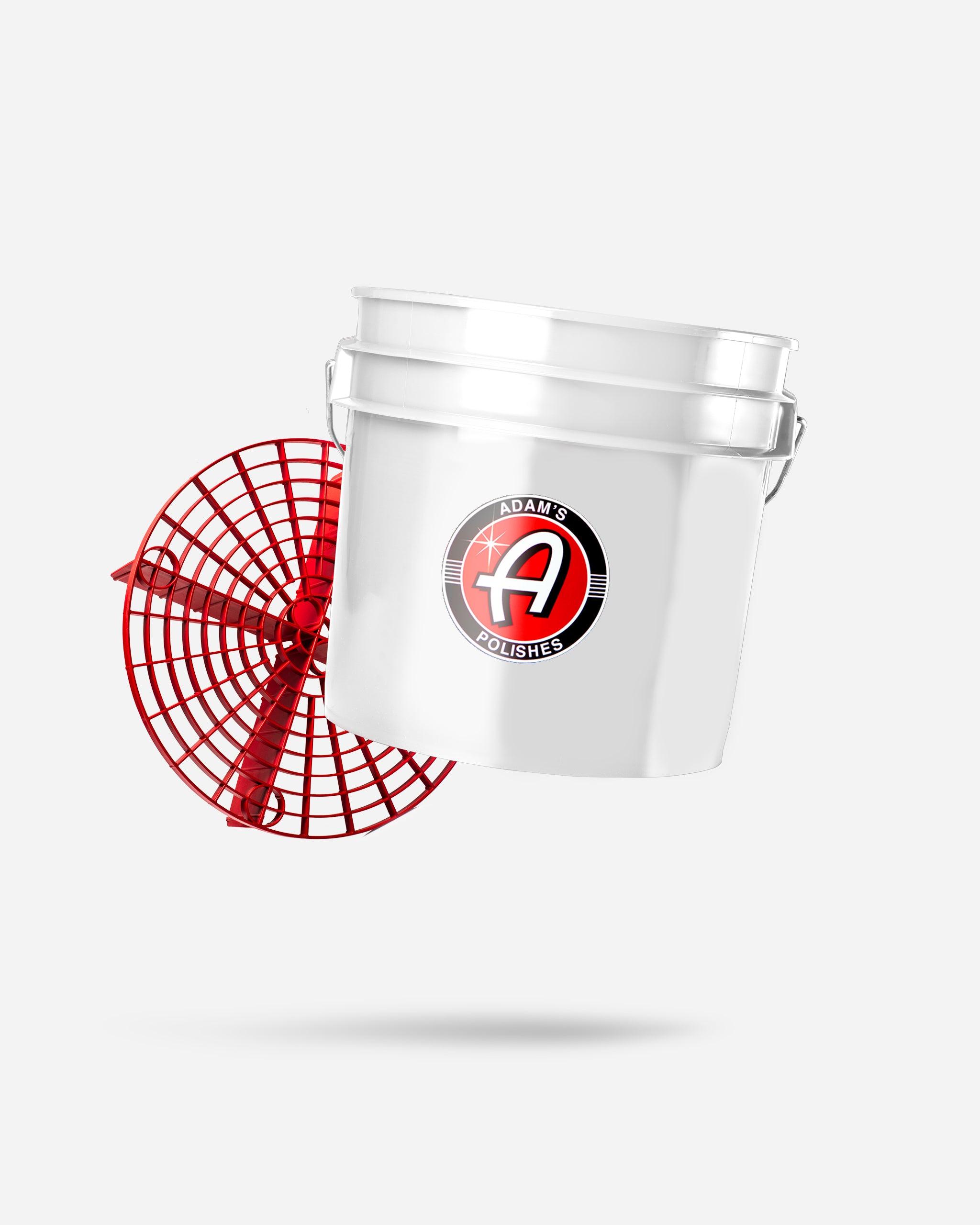
- Water and buckets: enough for your chosen wash method, with separate clean and dirty water.
- Wash mitts or pads: clean ones for paint and separate ones for lower panels.
- Car wash soap: approved for the paint, wrap, or coating you will clean.
- Wheel cleaner and brushes: suited to the wheel finish and kept away from paint.
- Drying towels: enough to dry the car without using a dirty or soaked towel.
- Gloves and other protection: the type required by each product label.
Read the wash guide to see how these tools work together. Buy enough clean towels for the whole job, plus spares.
What you need for an interior
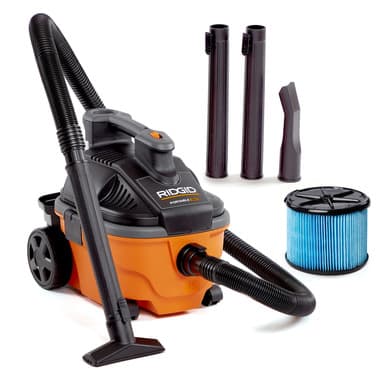
- Vacuum: suitable nozzles for seats, carpet, and narrow gaps.
- Soft brushes: for loosening dirt without scratching trim.
- Interior cleaner: approved for the materials you will clean.
- Glass cleaner and towels: approved for any window film.
- Separate cloths: keep glass towels apart from oily or dirty towels.
- Bags or small bins: for belongings, trash, and used towels.
A basic kit is for ordinary dirt. It does not cover mold, pests, bodily fluids, or work on child seats and safety parts. See the interior guide for the stop points.
Worked example: an interior starter kit (hypothetical)
Assume a solo operator offers only a basic interior reset for ordinary dirt. The operator already owns a suitable vacuum and has safe power at the work site. The selected cleaners fit the materials in this invented case.
Every cost below is a hypothetical planning input. Replace each one with a dated quote. Read the chosen product labels before setting the protection line.
| Item | Quantity | Added cash |
|---|---|---|
| Suitable vacuum already owned | 1 | $0 |
| Soft interior brushes | 2 | $10 |
| Approved interior cleaner | 1 bottle | $15 |
| Approved glass cleaner | 1 bottle | $8 |
| Separate interior and glass towels | 10 | $30 |
| Covered bins for clean towels, belongings, and used towels | 3 | $18 |
| Protection selected from the labels | 1 set | $15 |
| Small trash bags | 1 pack | $5 |
| Total added cash | $101 |
The added cash is $101 because the vacuum is already owned. If your vacuum is missing or unsuitable, add its dated price. Use the startup budget for travel, overhead, replacements, and cash reserve.
The kit passes when each tool suits the job, every label can be followed, and clean towels last through the service. Add wash tools only after you confirm water access and local wash-water rules.
Download the interior kit checklist. It includes this example and a blank list for your own quotes.
Include cleanup and storage
Set aside money for labels, measuring cups, spare sprayers, towel washing, and covered storage. These items let you use the main tools again.
Keep wheel towels away from paint towels. Wash towels as their maker directs. The Rag Company advises no fabric softener or dryer sheets and low heat or air drying. Store clean, dry towels in a covered container.
Read each chemical label before buying. Get its safety data sheet, which explains hazards and safe handling. Keep bottles labeled. Follow storage limits for heat and freezing. If you have employees, check the U.S. workplace safety rules for chemical information and training.
What can wait
| Item | Buy it when |
|---|---|
| Pressure washer or foam cannon | Your wash site supports it and it solves a clear need. |
| Extractor or steamer | You have training, suitable materials, and a drying plan. |
| Iron or tar remover | You have identified a deposit that a wash cannot remove. |
| Polisher | You have practiced and budgeted for pads, polish, lighting, and care. |
| Water tank or generator | Your mobile jobs require your own water or power. |
Do not buy a machine as a substitute for learning the process. A polisher removes paint. Read the one-step polishing guide before adding that service.
Compare the cost of one job
A low bottle price does not always mean a low cost per wash. Compare the amount of product you use at its allowed mix. The cost-per-detail calculator helps you compare sizes using your own prices.
Keep a list of tools you already own. Replace them only if they cannot do the planned work safely.
Turn the service list into a purchase list
Write one complete service in plain terms. Include inspection, cleaning, drying, waste handling, and handover. Put a tool beside each action. If an item has no task in the service, leave it off the first purchase list.
Mark every item as owned, needed, or can wait. An owned tool still needs a condition check. Look at its cord, attachments, capacity, and maker’s instructions. Replace it only if it cannot perform the planned task safely or reliably.
For each cleaner, list the materials it may touch. A bottle that works on one interior surface does not cover every surface in a car. Record the label’s directions, required protection, and storage limits. Leave a surface out of the service when no suitable method is confirmed.
Count the small supplies that finish the job. Include towels by task, waste bags, labeled containers, and space for used tools. Add measuring equipment if a label calls for mixing. A kit fails if the main machine works but cleanup cannot be completed.
Check the work site before choosing equipment
A mobile kit must fit the actual vehicle and the planned service. List the equipment and supplies you will carry, then check the vehicle’s loading information. Secure the load as the vehicle maker directs. Keep chemical containers upright and within their storage instructions.
Confirm the outlet and power available at the work site. Use the machine’s nameplate and manual to check its demand. A plug that fits does not confirm that the circuit can support the tool. If power cannot be confirmed, change the service or work site.
Do the same for water. Record the source, amount needed for your method, and the runoff plan. Ask the local authority about collection and disposal where the job occurs. A pressure washer or tank is a later purchase when the work site can support it.
Choose storage that keeps clean and dirty items apart after a job. A tidy kit at departure can become a mixed kit on return. Give used towels, wet tools, chemicals, and clean replacements their own spaces. Check that everything can dry as its maker directs.
Worked example: test the starter budget
The hypothetical $101 interior kit above assumes a suitable vacuum is already owned. That assumption decides the result. If the vacuum fails inspection, the $101 total no longer covers the service. Add a dated quote for a suitable replacement and rerun the setup cash total.
Now assume the operator can clean ordinary fabric and hard trim, but cannot confirm a method for one screen. The kit passes for the named fabric and trim tasks. The screen stays outside scope. Record that limit in the service description instead of buying an unverified cleaner.
Before taking a booking, lay out the full kit and follow the service in order. Check that there is a clean tool for each step and a place to put it afterward. This trial reveals missing bags, towels, or attachments while the kit can still be changed.
Review the kit after real jobs
Write the amount used from each bottle after a job. Record towels retired, bags used, and the time spent cleaning equipment. These are direct costs and owner hours. Put them in the cost-per-detail calculator before quoting repeat work.
Replace an estimate when a measured amount is available. If one product runs out before the others, check the label mix and actual use. If a tool causes repeated delays, compare a repair or replacement with the time it could save. Use your records, not a larger kit photo, to decide.
Keep the purchase list dated. Product prices and availability change. A quote taken this month should not silently replace an older planning number. Keep the old line so the change in setup cash is visible.
The kit passes when it completes the chosen service, fits the work site, and leaves enough clean supplies for the whole job. If one check fails, fix that line first. Add a new service only after the current one works from setup through cleanup.
Give each purchased item a place on the job plan. A spare towel can prevent a dirty towel from returning to paint. A labeled storage bin can keep used tools away from clean ones. Small purchases pass when they solve a named task or stop point.
Review the kit when the service changes. Adding stain treatment, polishing, or a coating changes the materials, protection, training, and time required. Do a new task list and site check for that service. The original starter kit does not automatically pass the new job.
Use the first few jobs to test supply quantities. Write what came back unopened and what ran out. Restock the item that limits the service. Keep a small reserve of the supplies that must stay clean during the job.
Compare replacement costs as well as purchase prices. A tool with special pads or filters can change the cost of each service. Put those items on the purchase sheet before deciding whether the machine fits the first service.
Do this next
Build your setup with your budget, work type, and owned tools. Then compare startup packages and get the free equipment sheet. The product library has more detail on the named products.
Detail Compass has not tested or owned these products. Source links in this guide are unpaid. As an Amazon Associate I earn from qualifying purchases. See the affiliate disclosure for how shopping links support the site.
Sources
- The Rag Company: towel care — Towel washing and storage. Checked September 11, 2026.
- Griot’s Garage: tool manuals — Check the manual for the machine you own. Checked September 11, 2026.
- OSHA: chemical safety information — Labels, safety data sheets, and worker training. Publisher’s indexed text checked September 11, 2026.

About Elena Mercer
Elena brings nine years of detailing experience to guides on equipment, pricing, and starting a business.
Meet Elena and read her guides