 By Elena Mercer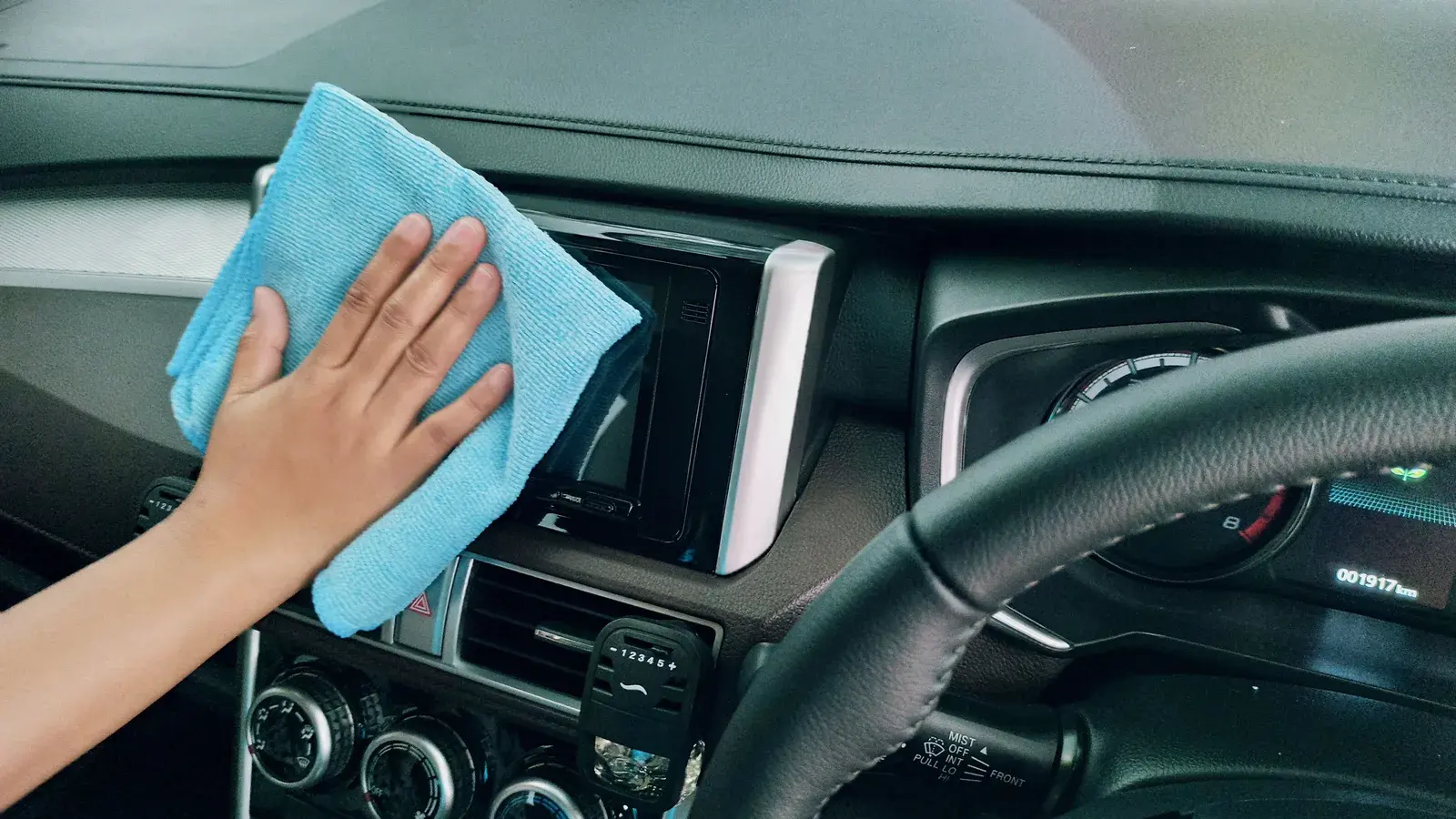
Know when to stop
Do not begin a normal interior clean if you find mold, pests, needles, bodily fluids, or unknown chemicals. Stop and refer the work to a trained service with the right equipment.
Ask the owner to remove valuables, medication, weapons, private papers, and child seats. Do not work on airbags, seat belts, seat wiring, or other safety parts. Child seats need the seat maker’s exact care rules. This guide does not cover cleaning or fitting them.
1. Check and sort
- 1. Remove dry dirtUse a brush and vacuum before adding cleaner.
- 2. Clean the surfaceTest a compatible cleaner. Keep liquid away from switches.
- 3. InspectCheck glass, controls, seams, and any remaining moisture.
Look for loose controls, torn fabric, damaged trim, screens, leather, and the roof lining. Ask about known stains and window tint. Check the vehicle’s cleaning instructions. For paid work, record existing damage with the owner’s permission.
Put loose belongings in a clean container. Remove trash and floor mats where the vehicle instructions allow it.
2. Remove dry dirt
Use a vacuum and suitable soft brushes. Start high and work down to the floor. Keep nozzles from scratching trim. Make slow, overlapping passes on carpet and seats.
Remove as much sand and pet hair as you can before using liquid. Do not use compressed air near unknown dust or debris. It can spread material into the air and into controls.
3. Clean hard surfaces
Check that the cleaner is approved for the surface. A cleaner sold for plastic and leather is not automatically suitable for screens or every finish. Test a hidden area first and let it dry. Stop if the color, texture, or finish changes.
Use the product label for mix amounts and contact time. A safety data sheet explains hazards and handling; it may not give a cleaning ratio. Ask the maker if the directions are missing.
Apply cleaner to a towel or brush where the label allows. Keep spray out of switches, speakers, seams, seat holes, and sensors. Use only the vehicle maker’s method on screens. Avoid heat or excess liquid on the roof lining; leave it alone if you cannot confirm a safe method.
4. Treat small stains
Try to identify the stain. Test the approved cleaner in a hidden area. Use a small amount, wait as directed, and remove the loosened dirt. Rinse or remove residue when the label calls for it.
An extractor sprays liquid and vacuums it back out. It does not make it safe to soak a seat. Liquid can reach foam, wiring, sensors, and floor layers. Use one only with training and a drying plan. Do not return the car with wet seats or carpet.
5. Clean the glass
Use a glass cleaner and towels approved for any window film. Check the installer’s waiting period before cleaning new tint or moving the windows. Avoid rough pads and hard rubbing.
Use separate clean towels for glass. Check streaks from two angles, including the lower edge of the windshield. Avoid damage to rear-window heating lines.
6. Check before handover
- Pedals, the steering wheel, and grips have no slippery product residue.
- Seats and carpet are dry. Controls have no cleaner left in them.
- Floor mats are secure and clear of the pedals.
- Glass is clear. All tools and trash are out.
- Belongings are returned. Any unfinished work is explained.
Keep used interior towels separate from glass towels. Wash and dry them as directed, then store them away from dust.
Set a surface plan before opening a cleaner
Divide the cabin into materials you can identify: fabric, carpet, hard trim, glass, screens, and any leather or special finish. Check the vehicle instructions for each. Put an unknown material on a separate line. Leave it untreated until the method is confirmed.
Set aside enough clean towels for each task. A glass towel stays with glass. A towel that has picked up oily residue does not clean a screen. Keep used towels in a different container so their status is clear during the job.
Photograph existing damage only with the owner’s permission. Record torn seams, loose buttons, worn coatings, and stains before cleaning starts. A mark can look different after surrounding dirt is removed. A dated condition note lets you explain what was present at inspection.
Check the planned work against the time available for drying. If a damp method cannot dry safely before handover, leave it out. The service can still include dry vacuuming and approved light cleaning. State the limit on the job ticket.
Make dry cleaning do the first pass
Move seats only when the vehicle instructions allow it. Check around the rails without placing a tool near wiring or a moving part. Work from high areas toward the floor so loosened dirt can be collected later.
Use an attachment that suits the material. A hard nozzle can mark trim, while aggressive brushing can change a delicate surface. Test your approach where a change would be less visible. Stop when the material reacts or loose fibers appear.
Empty or clean the vacuum as its maker directs when pickup declines. Repeated passes with poor suction consume time and may leave dirt behind. Record heavy sand or pet hair at inspection, since these conditions can change the agreed scope.
Keep belongings out of the cleaning path. Place them in a clean, named container and leave them where the owner can review them at handover. Do not sort private papers or open closed compartments without permission.
Work a small test before a visible area
Select a cleaner that names the surface on its label or in the maker’s instructions. Test the method in a hidden area and let it dry. Look for color transfer, texture change, or residue. A wet test that looks clear can still change as it dries.
Use the label’s amount and contact time. Put cleaner on a towel or brush only if the label permits that method. Check each pass before adding more liquid. If the material stays wet, pause and improve drying rather than repeating the application.
A stain may remain after safe cleaning. Record the attempt and the result instead of treating the same spot with a succession of unknown products. If a stronger process is needed, agree on a new method and price after checking material and safety limits.
Worked example: a limited interior reset
Consider a hypothetical car with sand on the floor, an old seat stain, and new window film. The floor passes the dry-cleaning check after vacuuming. The stain needs a separate material and test check. The film waits until its maker’s cleaning period is confirmed.
Assume the approved stain cleaner passes a hidden test, but the seat cannot dry before handover. The damp stain treatment fails the timing check. Leave the stain, explain why, and quote a later visit if suitable. Continue with the agreed dry tasks.
At handover, check the pedals, controls, mats, and glass with the owner when possible. Record the stain and film as unfinished scope. A complete job record distinguishes work completed from work deferred for a safety limit.
Cleaning the cabin can expose a maintenance issue that cleaning cannot solve. Note loose trim or a control that does not work, and leave it alone. Tell the owner what you observed. Do not describe a mechanical or electrical cause that you have not checked.
Use the final light check to compare treated and untreated areas. Look for cleaner residue along seams and for streaks on glass from the driver’s seat. A clean panel under one light can look uneven from another angle. Correct only by an approved method.
For paid work, log vacuuming, surface cleaning, glass, setup, and cleanup as separate time lines. Record extra pet hair or sand if it changed the job. After several similar jobs, those lines can replace a broad time guess in the next quote.
Ask the owner to check the belongings container before handover ends. Confirm any removed floor mat is fitted as the vehicle maker directs. If a mat cannot be secured or clears the pedals poorly, leave it out and tell the owner.
Record the cleaner and method used on each special material. A later stain or film issue is easier to review when the job ticket names the product. Keep the note factual. It records the work; it does not assign a cause.
Download the interior reset job card to record material checks, test results, drying, and handover limits.
Do this next
Build an interior checklist. Before charging for this work, use the first paid detail guide to agree on the job and its limits.
Sources
- P&S: Xpress Interior Cleaner — One cleaner’s stated uses. This does not approve every surface. Checked September 11, 2026.
- XPEL: window film care — Waiting periods and cleaning limits for its film. Checked September 11, 2026.
- The Rag Company: towel care — Keep towels sorted by task and type. Checked September 11, 2026.

About Elena Mercer
Elena brings nine years of detailing experience to guides on equipment, pricing, and starting a business.
Meet Elena and read her guides